

What to Check Before Signing a Three-Bedroom Lease
Eight things families often overlook until it’s too late. We’ve listed them all…
Different schools have different strengths. This guide helps you figure out what matters most for your kids.
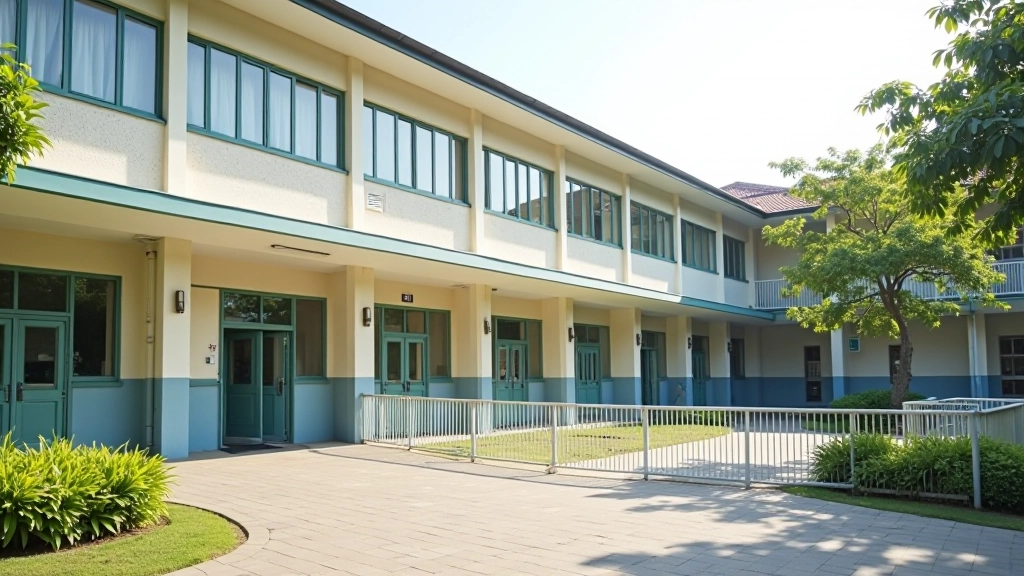

Picking the right school is one of the biggest decisions you’ll make as a parent. It’s not just about academic rankings — though those matter. It’s about finding a place where your kid actually thrives.
Bishan has solid schools at every level. But they’re different. Some excel at sports. Others are strong in languages. A few have fantastic arts programs. And honestly, the “right” school depends entirely on what your family needs.
We’re breaking down what’s actually available near Bishan, what each school does well, and how to think about this decision without getting overwhelmed.
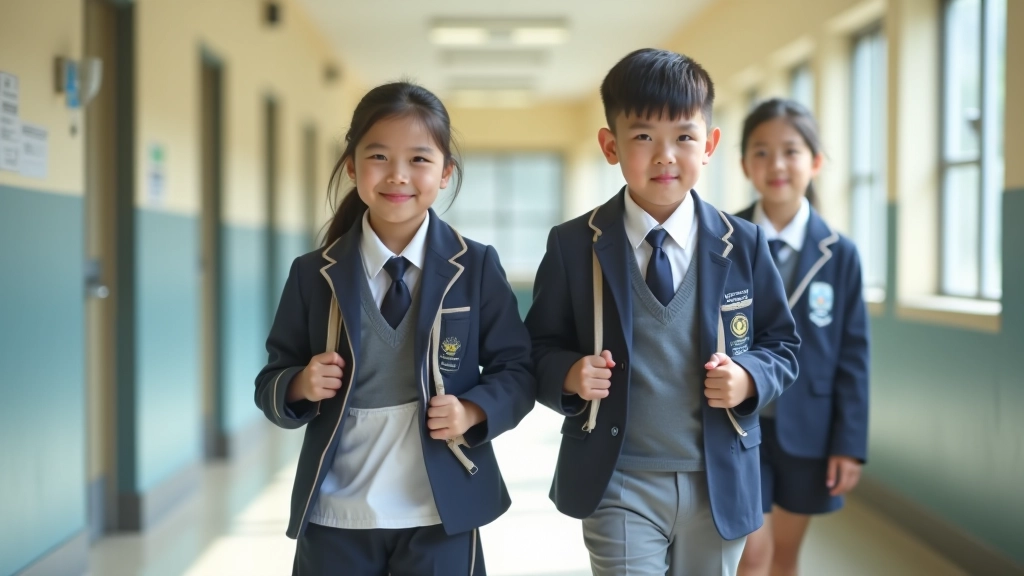
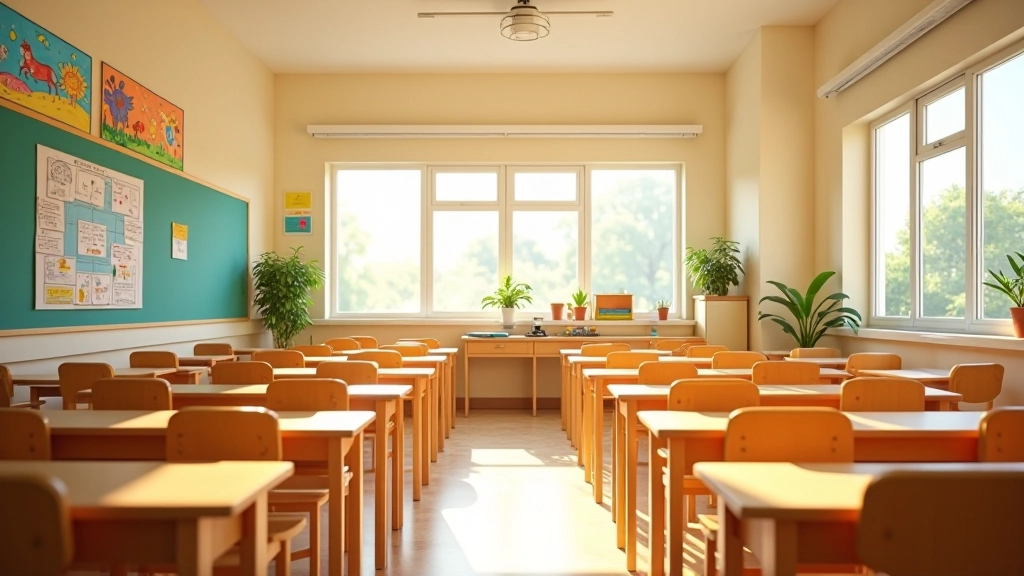
Primary education in Bishan covers ages 7 to 12. The schools here aren’t wildly different from each other — they’re all following the same curriculum. But they’ve got distinct personalities.
Some schools lean heavily into bilingual learning (Chinese and English both get serious attention). Others focus on developing strong foundational skills in smaller class groups. A couple run active enrichment programs that go well beyond standard classes.
What you’ll want to check: How many kids are in each class? Do they offer morning care before school? What’s their homework policy — some keep it light, others expect 90 minutes a night. And crucially, does the school culture match your family’s values? You can tell a lot just by walking the corridors during lunch.
Most families spend 4-6 hours on school visits before deciding. That sounds like a lot, but it’s worth it. You’re choosing a place your kid will spend 6 years.
Secondary school is where things get more specialized. You’re looking at ages 13 to 18, and by this point your kid’s got opinions about what they want to study.
Bishan secondary schools vary quite a bit. Some are traditional academic-focused schools where the pressure is real and the exam results are strong. Others take a more holistic approach — still good academically, but with equal emphasis on character development and extracurricular involvement. A couple have vocational streams that aren’t for everyone but are genuinely valuable paths.
Here’s what matters: Does the school offer the subjects your kid wants to take? What’s the teacher-to-student ratio in upper forms? And importantly, what’s the culture like? Is it cutthroat competitive or supportive? Do students actually get to pursue interests outside academics? The answer varies by school.
Don’t rely on rankings alone. Rankings tell you about exam results. They don’t tell you whether your anxious kid will thrive there or whether a creative kid will find their people.

This article provides general information about schools near Bishan to help with residential decisions. School policies, programs, and availability change regularly. Always verify current information directly with schools and check official education ministry resources for enrollment requirements, curricula, and rankings. School choice ultimately depends on your family’s individual needs and circumstances.

Stop trying to find the “best” school. It doesn’t exist. Instead, find the right school for your kid right now.
Start with logistics. Can your kid get there easily from home? That matters more than people admit. A 45-minute commute gets old fast. What’s the school day structure? Do they finish at 3 p.m. or 5 p.m.? That affects your whole family’s rhythm.
Then think about fit. Does your kid learn best in a structured environment or with flexibility? Are they social and need a big school community, or would they prefer smaller class sizes? Do they have particular interests — music, sports, languages, coding — that should factor in?
Visit schools during actual school hours. Don’t just look at the fancy tour they give visitors. Walk around during lunch. See how kids interact. Talk to actual parents, not just school staff. Most parents are honest about their school’s real strengths and weaknesses.
And here’s the thing: you don’t need to get this perfect. Most kids do fine in multiple schools. Your involvement as a parent matters way more than which school they attend.
Use this checklist when visiting schools
Look at exam results, but also ask how they support struggling students. Do they have learning support? Are classes mixed-ability or streamed? What’s the homework load like? Is it reasonable for your kid’s age?
Spend 30 minutes just observing. How do students interact with each other? With teachers? Is it calm or chaotic? Do kids look happy or stressed? Trust your gut feeling about the atmosphere.
Commute time. School hours. Fees and what they cover. Uniforms. Extracurricular costs. Holiday dates. Sick day policies. These might seem small, but they affect your daily life for years.
Choosing a school is one of those decisions that feels huge (because it is), but don’t let that paralyze you. You’re not locking your kid into a permanent path. Schools are part of their education, but you’re the bigger influence.
Bishan’s got good options. Visit them. Talk to people who actually send their kids there. Think about what your family needs. Then choose. You’ll make a solid decision.
And once your kid’s in school? That’s when the real work starts. But that’s a different article.