
What to Check Before Signing a Three-Bedroom Lease
Eight things families often overlook until it’s too late. We’ve listed them all so you won’t make the same mistakes.
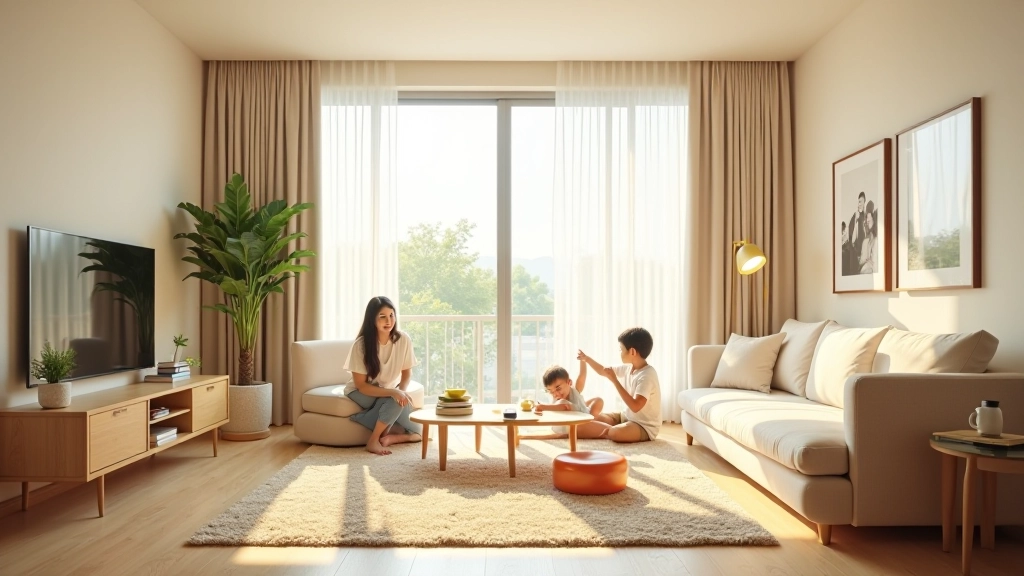

The Lease Document Itself
You’d be surprised how many families sign without actually reading the lease. Don’t be one of them. The document isn’t just formality — it’s your protection. Look for clauses about maintenance responsibilities, who pays for utilities, and what happens if you need to break the lease early.
Check the lease term carefully. Is it 12 months or 24 months? What’s the notice period if you need to leave? Some leases require 2-3 months notice, others just 30 days. For families with school-age kids, this matters more than you think. You don’t want to be locked in if a job change happens mid-year.
Pay attention to pet clauses if you have animals. Some apartments allow them freely, others charge deposits or monthly fees. And read the fine print on damage — what’s considered normal wear versus something you’ll need to pay for.

The Actual Condition of the Unit
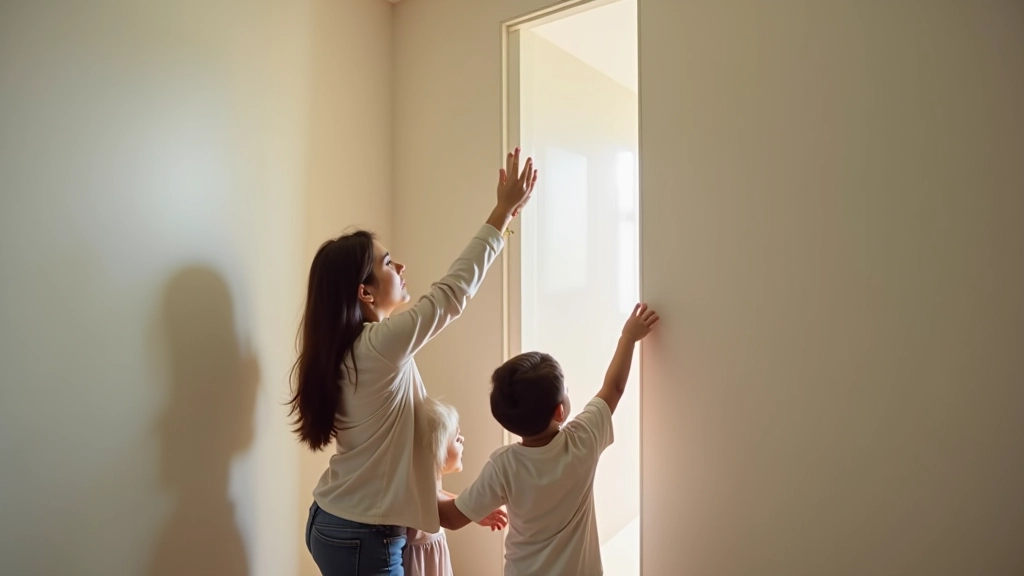
Before you sign, do a thorough walkthrough. Bring your phone and photograph everything. Water stains on ceilings, cracks in walls, stained carpets — document it all. You need an inspection report or at least your own photo evidence.
Test everything that moves. Open all windows and check they close properly. Run the taps — do they have good water pressure? Check if hot water actually gets hot. Look in cabinets for signs of pests. Turn on lights in every room. A landlord won’t fix issues they claim were there when you moved in.
For three-bedroom units specifically, check bedroom sizes. What looks spacious in photos might feel cramped with beds and wardrobes. Make sure all three bedrooms actually have windows — some units have a small room without proper ventilation, which isn’t ideal for kids.
Utilities and Hidden Costs
The lease tells you the rent. But rent isn’t everything. Ask the landlord directly: what’s included? Some apartments include water and trash. Others don’t. Does the unit have air conditioning? If yes, is it central or window units — and who pays for electricity?
Ask about council rates, maintenance fees, and parking. In some Bishan buildings, parking’s an extra cost. In others, it’s included. Don’t assume. Get written confirmation of what utilities you’ll be responsible for. And if possible, ask the current tenant what their actual monthly bills look like — not estimates, actual numbers.
There are also one-time costs to budget for: deposit (usually one month’s rent), agent fees (sometimes split between tenant and landlord), and moving costs. Some landlords ask for a security deposit plus a damage deposit. Clarify what you’re paying upfront.

Building Facilities and Rules
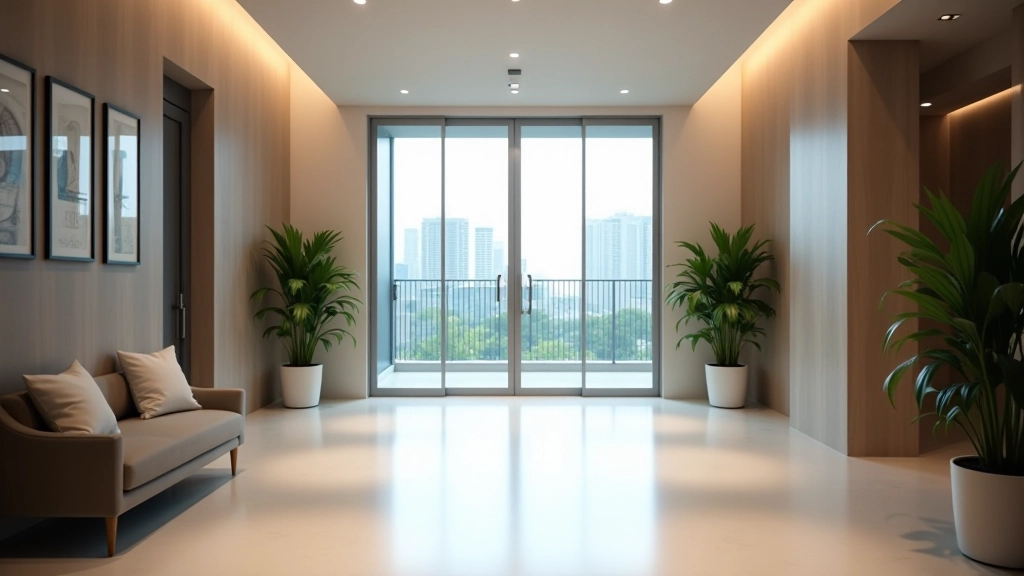
Does the building have a lift? You’d think that’s obvious, but it matters if you have young kids, a stroller, and groceries. Is it reliable or frequently broken? How many lifts serve the building? One lift for a 20-story building is a headache.
Ask about guest policies. Can your parents or in-laws visit and stay overnight? Some buildings are strict about overnight guests. Check playground facilities if the building has one — is it well-maintained? What’s the condition of the common areas? A neglected lobby suggests the landlord doesn’t maintain the property well.
Get a copy of the house rules. Some buildings have quiet hours (important when kids are involved). Are there restrictions on washing clothes? When can you use the common areas? Understanding these rules before signing prevents conflicts later.
Proximity to Schools and Transport
You’re looking at a three-bedroom in Bishan — that usually means families with school-age kids. Visit the apartment at different times: morning (school rush hour), afternoon (when kids get home), and evening. How’s the noise level? Is it near a main road with heavy traffic?
Walk to the nearest primary schools. How long does it actually take? Can your kids walk safely or do they need a ride? Check the bus routes. Which services stop nearby? Are they reliable? Talk to other residents about their school commute — they’ll give you honest feedback.
The location on paper might look perfect, but the actual experience matters. A unit that’s technically close to a school but requires crossing a busy highway isn’t practical. Spend time in the neighborhood. Visit the nearby market, playground, and coffee shops. Does it feel like a place your family will thrive?

Disclaimer: This guide is informational and educational only. It’s not legal advice. Lease agreements vary by location, landlord, and property type. Always consult with a legal professional before signing any lease. Property laws in Singapore may have specific requirements we haven’t covered. Your situation is unique — get personalized advice from someone qualified in property law.
The Bottom Line
Signing a lease is a big decision, especially when you’re moving your family to a new place. Taking time to check these eight things isn’t being difficult — it’s being smart. You’re not just renting an apartment, you’re choosing where your family will live, grow, and build memories.
Read everything. Ask questions. Walk the neighborhood multiple times. Talk to current residents. Get everything in writing. And don’t rush the process. The right apartment for your family is worth the extra effort.